Potting Soil Tips For Growing Beautiful Plants
Introduction
Potting soil is the foundation for healthy plant growth. It provides the nutrients and support that plants need to thrive. However, not all potting soils are created equal. Some are better suited for certain types of plants than others. In this blog post, we will discuss the different types of potting soils available and how to choose the right one for your plants. We will also provide some tips on how to care for your potted plants so that they can grow and bloom beautifully.
Types of Potting Soil
There are many different types of potting soils available, each with its own unique properties. Some of the most common types of potting soils include:
- Fertilizer-enriched potting soil: This type of potting soil contains added nutrients that can help your plants grow faster and healthier. It is a good choice for plants that need a lot of nutrients, such as vegetables and flowering plants.
- Organic potting soil: This type of potting soil is made from natural materials, such as compost, peat moss, and bark. It is a good choice for plants that prefer a more natural growing medium.
- Lightweight potting soil: This type of potting soil is made from materials that are high in air space. It is a good choice for plants that are prone to root rot, such as African violets and orchids.
- Heavyweight potting soil: This type of potting soil is made from materials that are high in clay. It is a good choice for plants that need a lot of weight to keep them stable, such as cacti and succulents.
How to Choose the Right Potting Soil
When choosing a potting soil, there are a few factors you need to consider, such as the type of plant you are growing, the size of the pot, and the climate you live in.
- Type of plant: Some plants have specific requirements when it comes to potting soil. For example, cacti and succulents need a potting soil that is high in sand and low in organic matter. African violets, on the other hand, need a potting soil that is high in peat moss and low in perlite.
- Size of pot: The size of the pot will also affect the type of potting soil you need. Small pots need a potting soil that is light and airy, while large pots can handle a heavier potting soil.
- Climate: The climate you live in can also affect the type of potting soil you need. If you live in a hot, dry climate, you will need a potting soil that is high in moisture retention. If you live in a cold, wet climate, you will need a potting soil that is well-draining.
How to Care for Potted Plants
Once you have chosen the right potting soil for your plants, it is important to care for them properly. Here are a few tips:
- Water your plants regularly. The amount of water your plants need will vary depending on the type of plant and the climate you live in. However, it is important to water your plants regularly, especially during hot, dry weather.
- Fertilize your plants regularly. Fertilizing your plants will help them grow strong and healthy. The type of fertilizer you use will depend on the type of plant you are growing.
- Repot your plants as needed. As your plants grow, they will need to be repotted into larger pots. This will give them more room to grow and develop their roots.
- Watch for pests and diseases. Potted plants are susceptible to pests and diseases. It is important to inspect your plants regularly and take steps to control any pests or diseases that you find.
Conclusion
Potting soil is an important part of growing beautiful plants. By choosing the right potting soil for your plants and caring for them properly, you can help them grow healthy and strong.
Visit [www.provenwinners.com/learn/dirt-dirt-potting-soil] for more information about potting soil and how to choose the right one for your plants.
FAQ of potting soil
- What is potting soil?
Potting soil is a blend of materials that is specifically designed for growing plants in containers. It is typically loose and airy, which allows for good drainage and aeration. Potting soil also typically contains nutrients that plants need to grow healthy.
- What are the different types of potting soil?
There are many different types of potting soil available, each with its own unique blend of ingredients. Some common types of potting soil include:
* General-purpose potting soil: This is a good all-purpose potting soil that can be used for a variety of plants.
* Fertilizer-rich potting soil: This type of potting soil contains extra nutrients that can help plants grow faster and healthier.
* Organic potting soil: This type of potting soil is made from natural materials, such as peat moss, compost, and worm castings. It is a good choice for gardeners who want to use sustainable products.
* Lightweight potting soil: This type of potting soil is made with materials that are low in weight, such as perlite and vermiculite. It is a good choice for plants that prefer well-draining soil.
* Heavyweight potting soil: This type of potting soil is made with materials that are high in weight, such as peat moss and bark. It is a good choice for plants that prefer moist soil.
- How do I choose the right potting soil for my plants?
When choosing potting soil, it is important to consider the type of plants you are growing and their individual needs. Some factors to consider include:
* The size of the plants: Potting soil for small plants will need to be lighter and more airy than potting soil for large plants.
* The type of plants: Some plants, such as succulents, prefer well-draining soil, while others, such as orchids, prefer moist soil.
* The growing conditions: If you live in a hot, dry climate, you will need to choose a potting soil that is designed to retain moisture.
- How do I store potting soil?
Potting soil should be stored in a cool, dry place. If you are storing a large quantity of potting soil, it is a good idea to keep it in a sealed bag or container.
- How long can I reuse potting soil?
Potting soil can typically be reused for up to two years. However, it is important to inspect the soil before each use to make sure it is still in good condition. If the soil is compacted or contains large clumps, it will need to be replaced.
- How do I dispose of potting soil?
Potting soil can be disposed of in a variety of ways. You can compost it, add it to your garden, or throw it away in the trash. If you are composting potting soil, it is important to make sure it is completely decomposed before adding it to your garden.
Image of potting soil
10 different images of potting soil that are free to use:
- Organic potting soil texture background top view. This image shows a close-up of the texture of organic potting soil. The soil is dark brown and crumbly, with small pieces of bark and other organic matter visible.

- A bag of potting soil with a shovel in it. This image shows a bag of potting soil with a shovel in it. The bag is green and white, and the shovel is made of metal. The soil in the bag is dark brown and looks loose and airy.
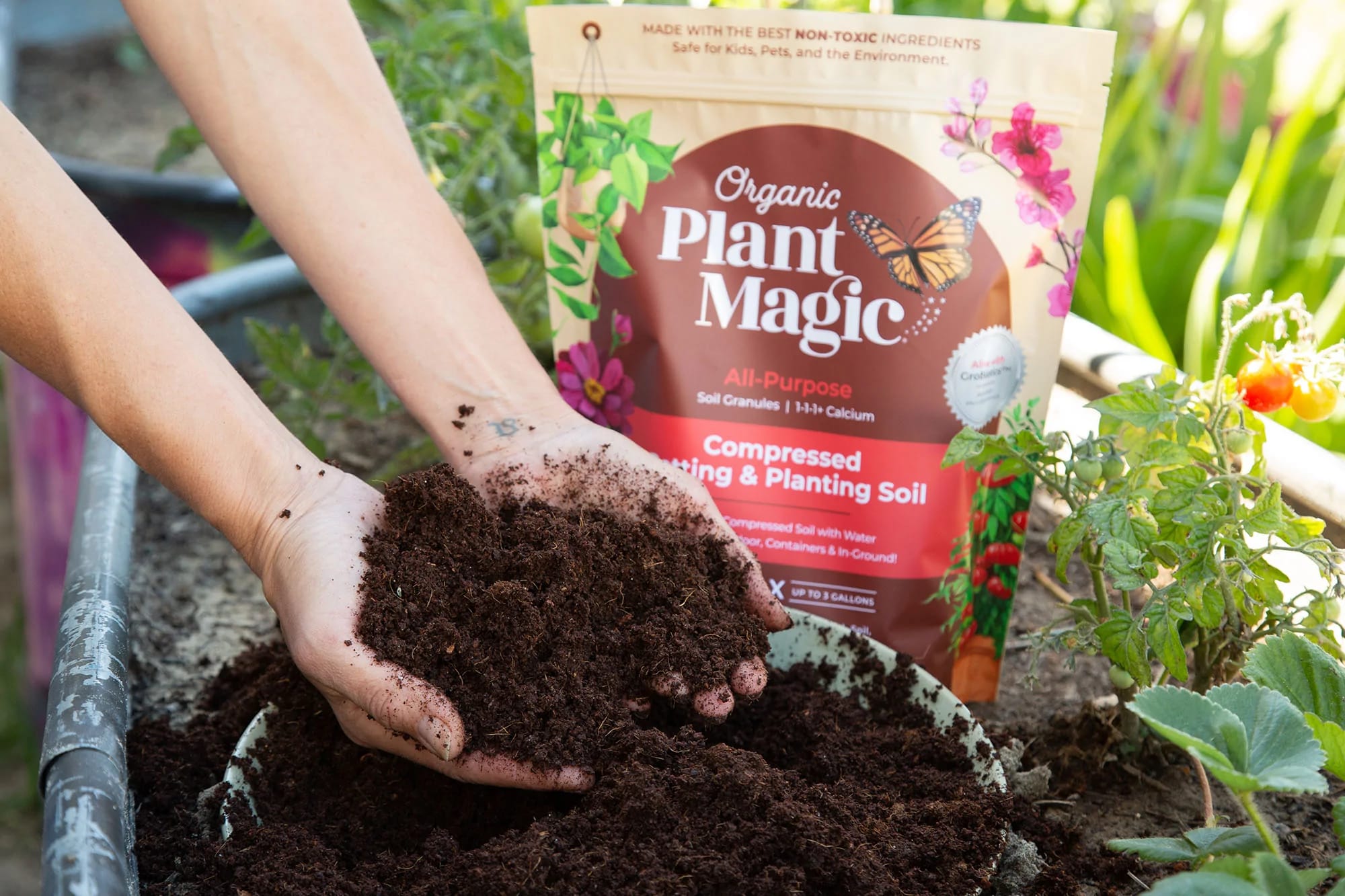
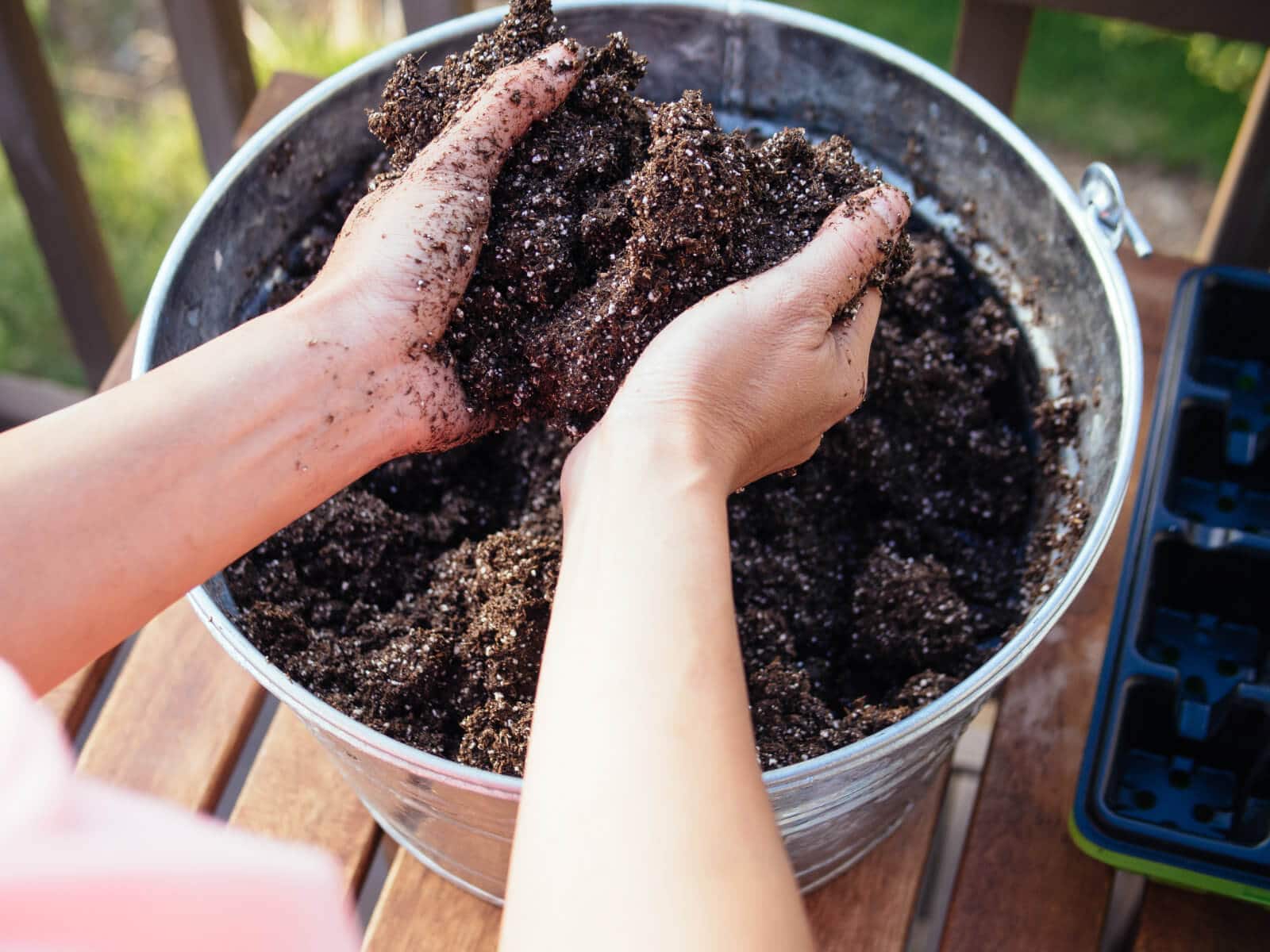
- A young woman mixing potting soil in a bucket. This image shows a young woman mixing potting soil in a bucket. The woman is wearing gardening gloves and is using a trowel to mix the soil. The soil is a dark brown color and looks moist and crumbly.

- A plant growing in a pot of potting soil. This image shows a plant growing in a pot of potting soil. The plant is a green leafy plant with white flowers. The pot is terracotta and is filled with dark brown potting soil.
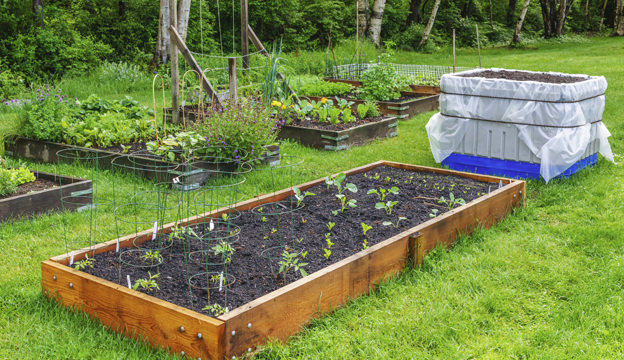
- A pile of potting soil next to a vegetable garden. This image shows a pile of potting soil next to a vegetable garden. The potting soil is dark brown and looks loose and airy. The vegetable garden is full of green plants.
- A close-up of a seedling growing in potting soil. This image shows a close-up of a seedling growing in potting soil. The seedling is a small green plant with a few leaves. The potting soil is dark brown and looks moist and crumbly.
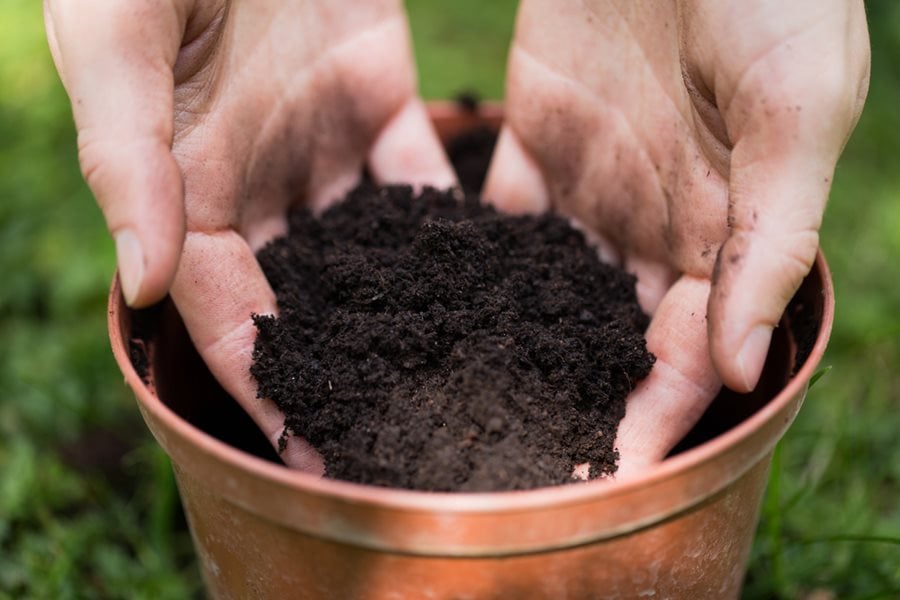
- A hand holding a handful of potting soil. This image shows a hand holding a handful of potting soil. The soil is dark brown and looks loose and airy. The fingers of the hand are coated in the soil.
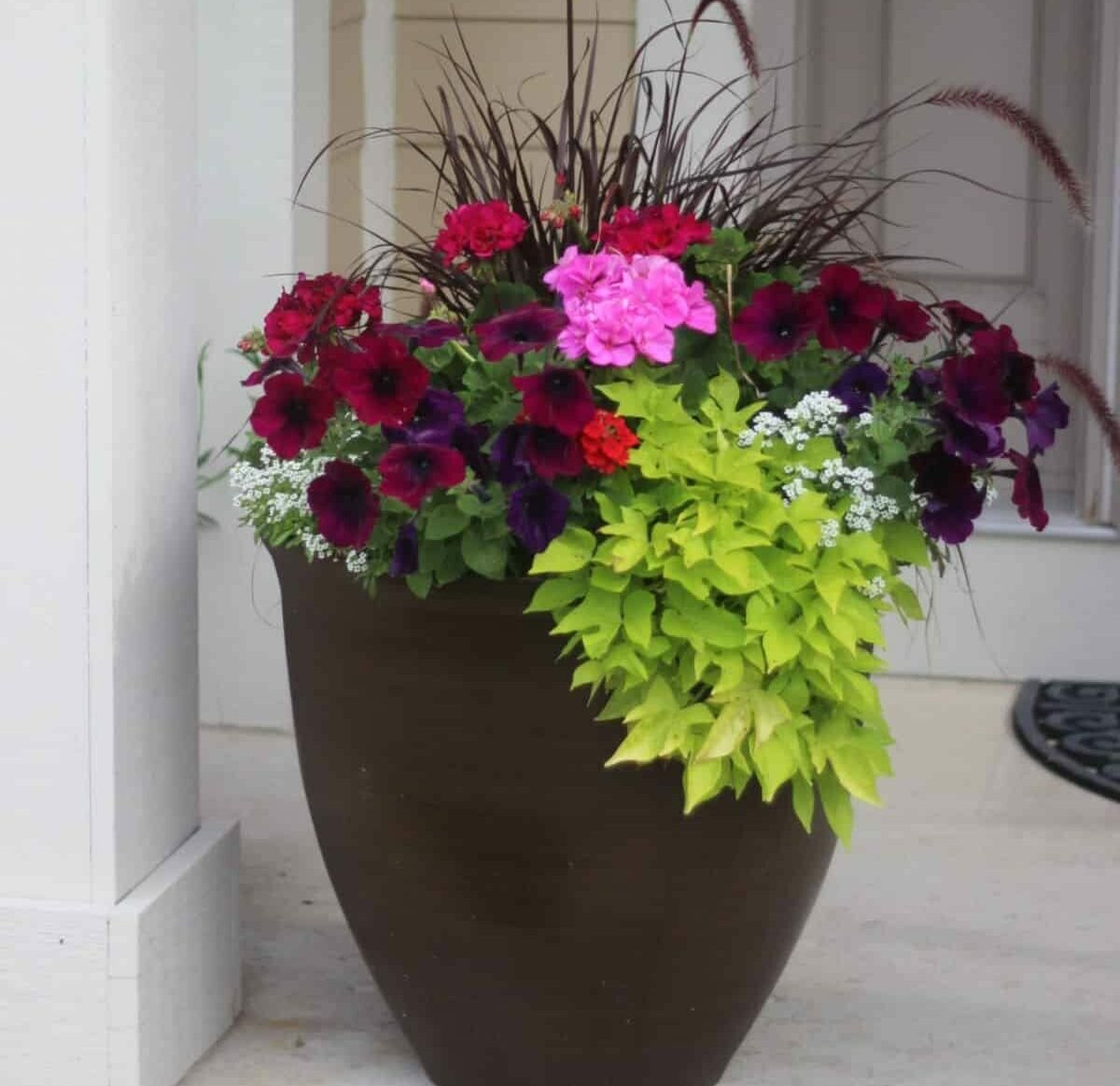
- A pot of flowers with a tag that says "Potting Soil." This image shows a pot of flowers with a tag that says "Potting Soil." The flowers are a variety of colors, and the pot is terracotta. The potting soil in the pot is dark brown and looks loose and airy.
- A bag of potting soil with a label that says "Organic Potting Soil." This image shows a bag of potting soil with a label that says "Organic Potting Soil." The bag is green and white, and the label has a picture of a plant growing in a pot.
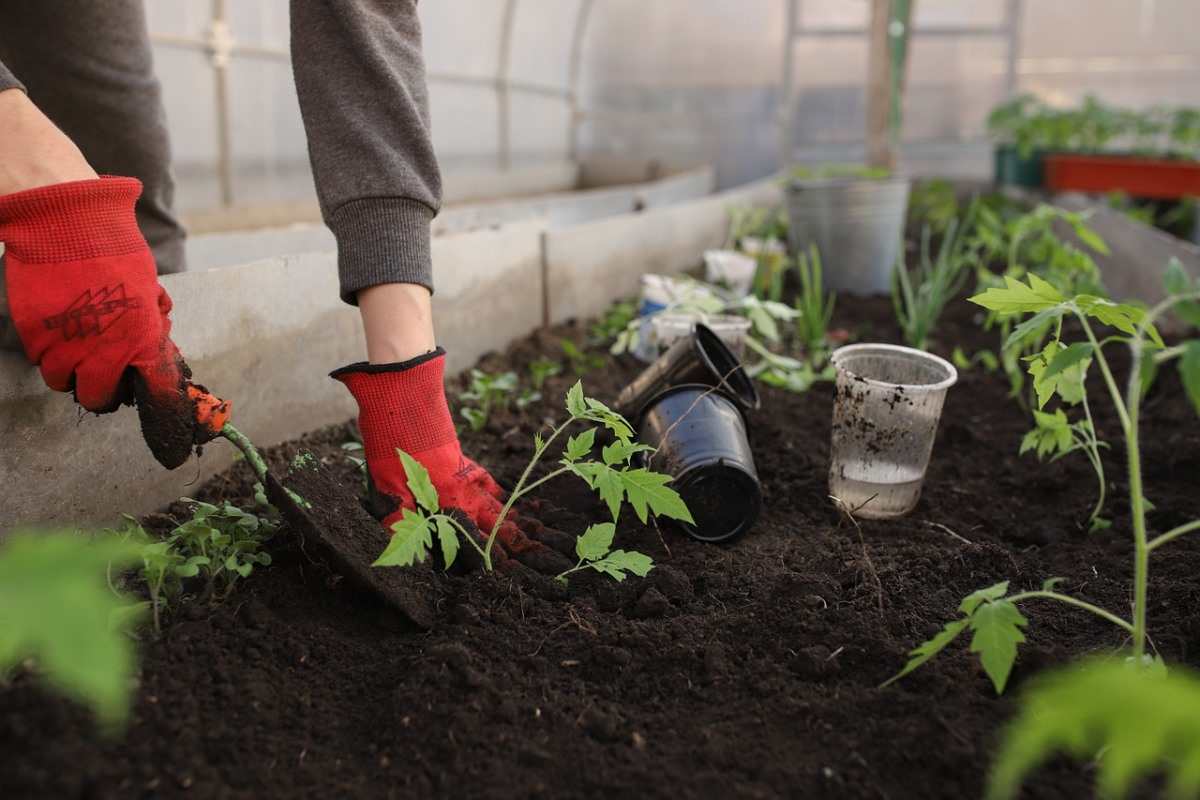
- A shovelful of potting soil being poured into a pot. This image shows a shovelful of potting soil being poured into a pot. The soil is dark brown and looks loose and airy. The pot is terracotta and is sitting on a table.

Post a Comment for " Potting Soil Tips For Growing Beautiful Plants"